
Texas has many opportunities for owning land that will suit your needs. Depending on what you are looking for, Texas can be divided into seven geographic zones; West Texas (Big Bend Country), The Pan Handle, the Hill Country, South Texas, the Gulf Coast, East Texas (Piney Woods), and North Texas (Prairie and Lake Country). Each of these regions has its own unique beauty and differences. The primary area I work in is the Hill Country, West Texas, and South Texas. Land can be used in many ways, it has its own unique value, and Texas has its own distinct opportunities. Improvements to a property can increase the enjoyment, price per acre, or left as is to be enjoyed for its natural unchanged outdoor appeal. Factoring all this in can lead you to that ideal property to fulfill your hunting, outdoor recreation, farming, ranching, or country living needs. Considering all of this, there is process for a buyer to go through to achieve the desired end result. Here are the steps my clients typically go through when buying land:
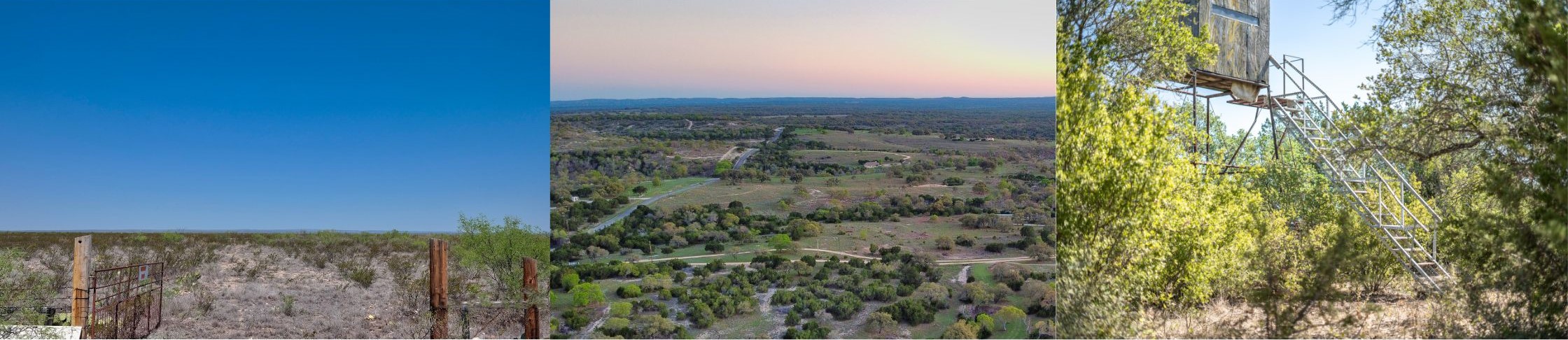
Define Your Goals: Start by identifying the size of property that you want, intended uses, improvements, the lack of improvements, and features on the property. If your desire is to hunt, a minimum of 10 acres is required by law to be able to do this. Do you want water features like a creek, river, or pond on the property? Do you want hills and valleys or piece of land that is relatively flat? Improvements could include a house, barn, a cleared property, fencing, electricity, a water supply, and septic system on the property.
Plan Your Finances: Whether this will be your primary residence, 2nd home, a working ranch, or a vacation/recreational property; knowing and understanding the financial implications is important when buying land. Things to consider are purchase price, transactional expenses, monthly payments if financed, property taxes, operating costs, and potential improvement costs.
Find a Land Agent: There are many land brokers and agents in Texas. Beyond the basics of real estate, a land agent should either have a background or experience within the rural community, agriculture, wildlife, and possibly oil and gas or mining industries. There are also Land Broker Associations that provide education and training within this specific niche of real estate that a land agent should be involved in.
Secure a Land Loan: There are many options for financing when buying land. I usually recommended to clients to start with their personal bank to see what loans and options might be available. There are specialized lenders out there that provide lending for land. Some of these lenders are Capital Farm Credit, Texas Farm Credit, Ag Texas Farm Credit Services , and for veterans the Texas Veterans Land Board .
Search Land Listings: Because we live in the age of information, we have many options available to search for land or farm and ranch type properties. Our Reliance Brokerage website has the ability to search for these types of properties. These listings include the Austin, San Antonio, Houston, and New Braunfels Boards of REALTORS® under the search homes tab within this website. There are other options available that have properties that you might not find on the individual boards listing services. These websites are LAND.com, Land Broker MLS, and the Texas Alliance of Land Brokers .


Look At the Land: Once a property or properties have been identified that meet your needs, you should visit the property with a land agent. It is best to either drive or walk the entire property and all the property lines. By doing this you will have a good sense of the property and whether it is the right one for you. While out there you will get a sense for the land, see the wildlife, the improvements, and possibly any negatives or concerns with the land.
Due Diligence: When purchasing land, it is important to discover all the facts about the land that you are thinking about buying. When doing your due diligence this might be looking at the title for the property to find out if there are any restrictions that would prevent you from using the property as you want. As an example, you could be restricted from putting a home on it, hunting it, subdividing it, or using it in any way that you desire. Minerals and mineral rights might also be very important to you when buying land. Sometimes the title will indicate if the minerals have been severed from the land. In other instances, you might have to hire a Landman to do the research in county records to determine exactly what is going on with the minerals. Another factor that should be considered is if the land is in a flood zone. This could be all or part of it and due to this can affect putting a home on the land and insurance. There can be more issues, a land agent can help you discover these other issues while helping you in this process.
Buy Your Land: To buy your land you will go through three phases; contract, transaction, and closing on your land: The contract is the written phase that starts by making an offer to purchase the land, moves to negotiating key points, and then by both parties agreement the contract is signed and executed. The contract establishes the timeframe for the transaction, and this can vary depending on the complexity of it. It also establishes the purchase price, communicates information about the property and leases, how the survey will be handled, and which title company will be used. The transaction part is when the contract is sent to the title company. They will examine the title to see if there are any encumbrances and, once satisfied, provide a clean and clear title at the time of closing. If a lender is involved, they will work with the title company and provide all mortgage related documents needed at time of closing. Once all requirements have been met, a time and date will be set through the title company. This is now the final phase of closing. On that day, you will sign all required documents, and money will be moved from the lender to title and then to the seller. Upon closing and funding, the land will then be transferred through title to you as the new owner.
I am sharing this information is to provide you with an overview of the process, but not to overwhelm you. I will guide you through these steps, making recommendations & assisting with the details throughout the entire process.
.jpg)